
-
-
-
About JIAFA

-
-
Contact Us

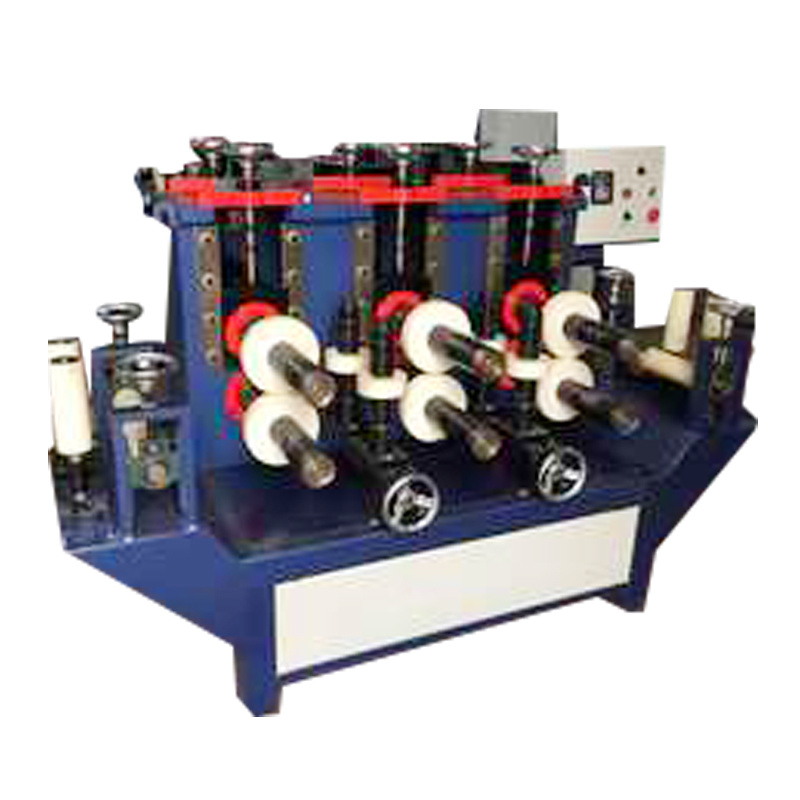
Aluminum Profile Forming Machine — the “Precision Guardian” of Aluminum Profile Production
Time: 2026-07-27
During the aluminum profile extrusion process, factors such as temperature, die‑out speed, uneven cooling, and stacking and transportation can easily lead to defects like bending, twisting, warping, and dimensional deviations. Even minor deformation errors can interfere with subsequent operations—such as cutting, film application, and assembly—resulting in scrap and rework, and failing to meet the stringent precision requirements of high‑end doors and windows, curtain walls, automotive aluminum components, and precision industrial profiles. And… Aluminum Profile Shaping Machine It can efficiently correct profile deformation, ensure consistent precision, and maintain stable quality, making it an indispensable “precision guardian” for the mass production of aluminum profiles.
Traditional manual profile‑straightening relies on visual inspection and manual adjustments, resulting in inconsistent precision, uneven quality, and low efficiency. It also depends heavily on workers’ experience, making standardized mass production impossible. Consequently, profiles exhibit uneven straightness, significant batch‑to‑batch variation, and a difficult‑to‑control yield rate, rendering it challenging to meet the stringent requirements of high‑end markets and export orders. With the automation upgrade of the aluminum‑profile industry, fully automatic aluminum‑profile straightening machines have become essential standard equipment for aluminum‑fabrication plants seeking to enhance quality and ensure stable production.
The aluminum profile shaping machine is specifically designed for post-extrusion profile forming and straightening, with its core value lying in… Correct deformation, standardize precision, ensure consistent quality, and reduce losses. The equipment features a multi‑dimensional adaptive correction system that comprehensively rectifies various deformations, including bending, twisting, and warping, maintaining profile straightness at industry‑leading precision. Employing a flexible roller‑pressing process, it applies even, gentle forces, eliminating the risk of damage from brute‑force correction and preserving the aluminum’s oxide layer and coated finish—delivering precise shaping without dents or scratches.
The equipment is highly versatile, compatible with a wide range of profiles—including doors and windows, curtain walls, custom‑shaped industrial aluminum extrusions, automotive aluminum components, decorative aluminum strips, and more. Parameter tuning is simple and fast, enabling flexible production across multiple product categories. Paired with an inverter‑driven speed control and an intelligent pressure‑regulation system, it automatically adjusts clamping force and operating speed based on profile thickness and hardness, seamlessly supporting both small‑batch customization and large‑scale mass production while delivering both precision and efficiency.
In terms of cost reduction and efficiency improvement, the equipment offers distinct advantages. Continuous operation replaces labor‑intensive, repetitive manual tasks, significantly cutting labor costs while mitigating quality deviations and safety risks associated with human error. Standardized calibration processes minimize material deformation, scrap, and rework at the source, thereby boosting first‑pass yield. Over the long term, this approach markedly lowers production costs, increases capacity, and supports lean manufacturing.
High‑precision, standardized product quality is the core competitive edge that enables aluminum‑profile manufacturers to capture high‑end markets and secure international export orders. Today, downstream industries are imposing increasingly stringent requirements for aluminum‑profile accuracy, flatness, and batch-to‑batch consistency. Aluminum‑profile straightening machines, equipped with intelligent, standardized correction systems, ensure precise dimensions and controllable deformation, effectively eliminating the inconsistencies inherent in manual straightening. They readily meet rigorous domestic and international acceptance standards, thereby enhancing product competitiveness and bolstering brand reputation.
Aluminum profile straightening machines represent a significant advancement in aluminum processing technology. With core advantages of precision, stability, efficiency, and low energy consumption, they effectively address the industry’s longstanding challenges related to profile deformation, uphold stringent product‑dimensional accuracy, and provide a robust quality‑assurance foundation for modern aluminum production lines. As the aluminum‑profile sector moves toward higher‑end, more refined manufacturing, high‑precision, automated straightening equipment has become an essential, indispensable asset for aluminum producers seeking to transform and upgrade their operations while enhancing quality and productivity.

OEM PROCESSING ENQUIRY
If you are interested in our products, please leave your email, we will contact you as soon as possible, thank you!
The use of new technologies and excellent components to present high-performance, highly reliable, energy-saving and long-lasting products to customers has always been the company's quality tenet, providing efficient energy-saving products for aluminum enterprises and the packaging industry, and creating a green life together.
Product classification
Contact Us
86-13928606722
jiafaaluminummachinery@gmail.com
- Sha Tsui Industrial Zone, Jiujiang Town, Nanhai District, Foshan, China