
-
-
-
About JIAFA

-
-
Contact Us

Aluminum Profile Film‑Laminating Machine Buying Guide: How to Precisely Match Equipment to Profile Specifications?
Time: 2026-07-16
In the aluminum profile deep-processing workshop, the film‑applying process is often the final step that determines the product’s “appearance.” However, many buyers, when faced with… Aluminum film laminating machine I often find myself puzzled: why do some devices cause damage when applying ultra-narrow materials? And why do others result in wrinkling when applied to large panels?
In essence, selecting the right equipment comes down to “tailoring the solution to the specific needs.” Different aluminum profile specifications call for entirely distinct mechanical‑structure designs. As a specialized manufacturing base for aluminum‑based packaging equipment in South China, we have drawn on years of customer experience to develop a precise selection guide based on profile specifications.
1. Consider the “width and height”: they determine the lamination method and roller type.
The cross-sectional width and height of the profile are critical factors in determining whether to use a “flat roller” or a “rubber‑tired roller.”
-
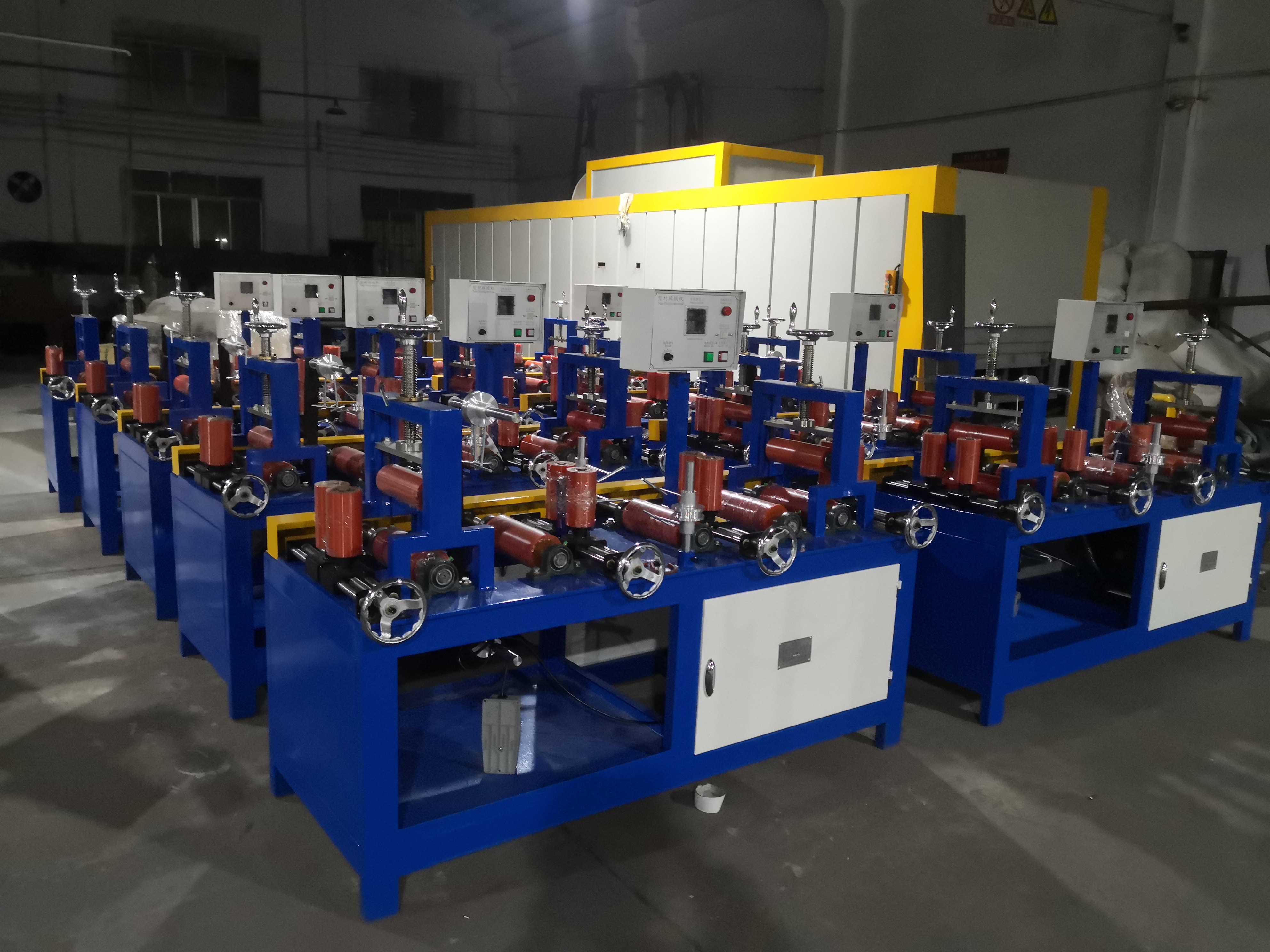
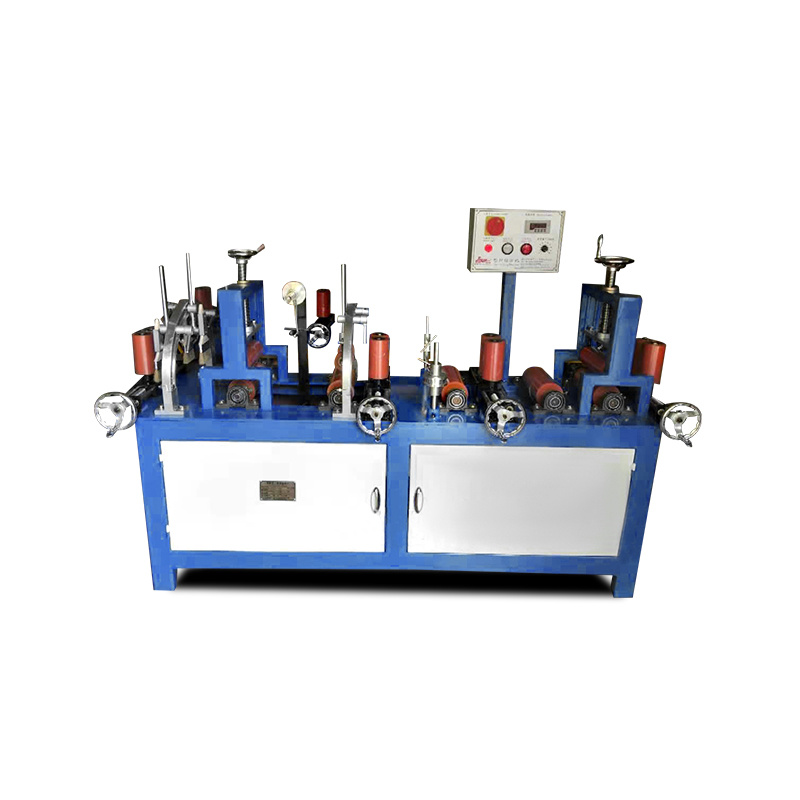
Standard door and window profiles (width 20–200 mm): These square or rectangular tubes have smooth surfaces and are recommended for use. Lower-row all-wheel-drive film applicator Its five drive rubber rollers deliver stable conveying power, offering exceptional value for money and making it ideal for large-scale mass production.
-
Ultra-narrow bezels and small profiles (width < 50 mm): For the currently popular ultra-narrow sliding door profiles, standard large rubber rollers can easily damage the edges and corners. In such cases, it is advisable to select… Ultra-narrow material automatic laminating machine Equipped with black sponge rollers and an automatic film‑cutting device, it can apply protective films to 13 items in just 24 seconds, delivering exceptionally high precision.
-
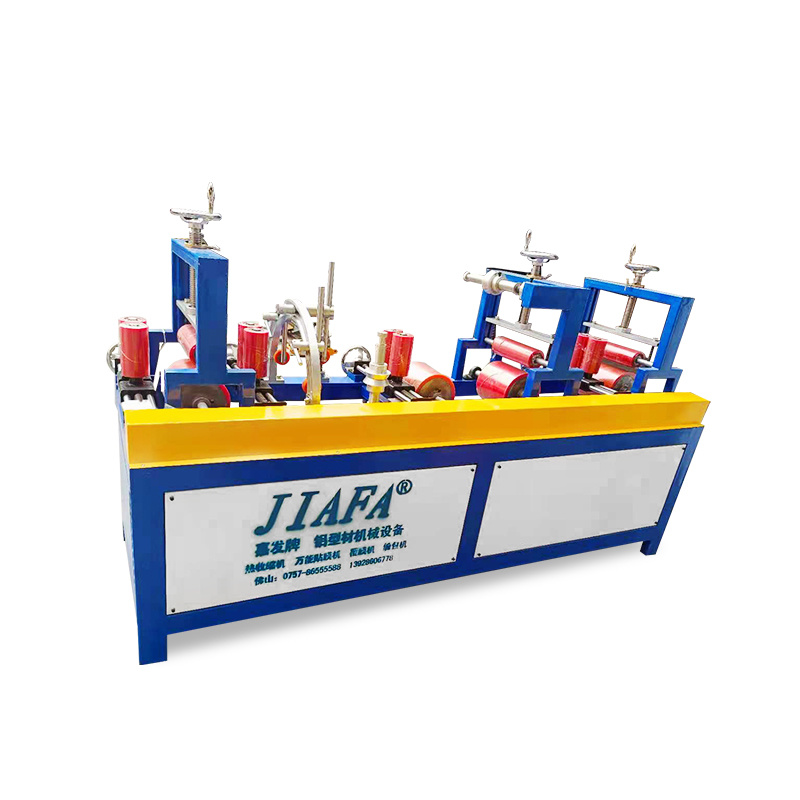
Curtain wall panels and profiled sections (width 200–400 mm): For wide-width materials, it is necessary to use 300x200/400x300 Four-Sided Precision Film Laminator This type of machine employs a slider‑rail structure, ensuring gapless displacement of the workpiece during conveyance and achieving true “precision lamination.”
2. Consider “length”: It determines the rack configuration and the level of automation.
The length of the profile directly affects the ease of loading and unloading as well as production efficiency.
-
Short-length material (≤4 meters): A standard model (typically 1.85 meters long) is sufficient to meet the requirements.
-
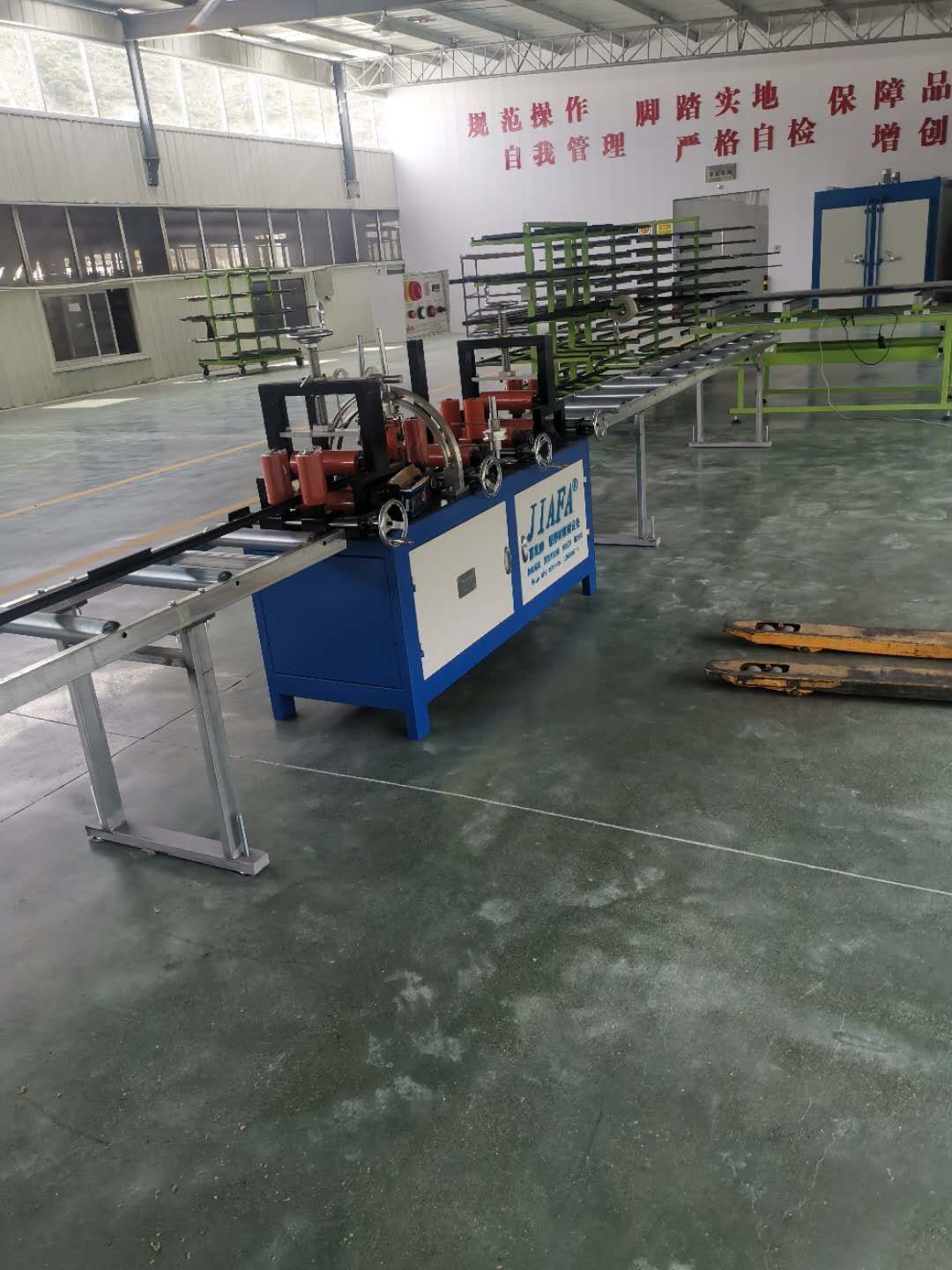
Long lengths (4–7 meters): If a short‑body device is still used, the profile may easily become suspended and sag. It is recommended to select… Automatic film applicator , with a maximum supported length of 7 meters and a speed of 12–16 units per minute, in conjunction with Packaging conveyor line Its use can effectively reduce workers’ physical workload.
-
Bundle packaging: In response to the requirement for full-bundle shipments, Automatic bagging machine for whole bundles It is the optimal choice, capable of handling profile bundles up to 7 meters in length and 200 mm in height.
3. Examine the “shape”: it determines the adjustment mechanism and auxiliary functions.
The geometric shape of the profile determines the complexity of equipment adjustment.
-
Simple section (square tube): Simply adjust using the standard handwheel.
-
Complex irregular shapes (round tubes, ribbed strips): Recommended for use Precision-adjustable film applicator These models are equipped with swivel casters and precision adjustment handwheels, enabling them to conform to irregular surfaces and ensuring that the protective film adheres tightly to any curved surface, thereby eliminating air bubbles and edge lifting.
-
Industrial materials / One film wraps multiple surfaces: Universal Film Applicator Specifically designed for this purpose, it can flexibly handle complex parcel routing.
4. Advanced Recommendations: Membrane Replacement Efficiency and Durability
In actual production, the frequency of membrane replacement directly affects downtime. New model film applicator A quick‑change film‑replacement design has been introduced, reducing film‑change time by more than half. In addition, for thick materials with high hardness, be sure to verify the rigidity of the equipment’s frame to prevent film misalignment caused by vibration.
If you’re unsure which equipment is suitable for your profile specifications, please contact us—we’ll provide you with a free aluminum profile surface protection solution.
OEM PROCESSING ENQUIRY
If you are interested in our products, please leave your email, we will contact you as soon as possible, thank you!
The use of new technologies and excellent components to present high-performance, highly reliable, energy-saving and long-lasting products to customers has always been the company's quality tenet, providing efficient energy-saving products for aluminum enterprises and the packaging industry, and creating a green life together.
Product classification
Contact Us
86-13928606722
jiafaaluminummachinery@gmail.com
- Sha Tsui Industrial Zone, Jiujiang Town, Nanhai District, Foshan, China