
-
-
-
About JIAFA

-
-
Contact Us

The Core Advantages of Using a Wrapping Machine for Aluminum Profiles
Time: 2026-07-02
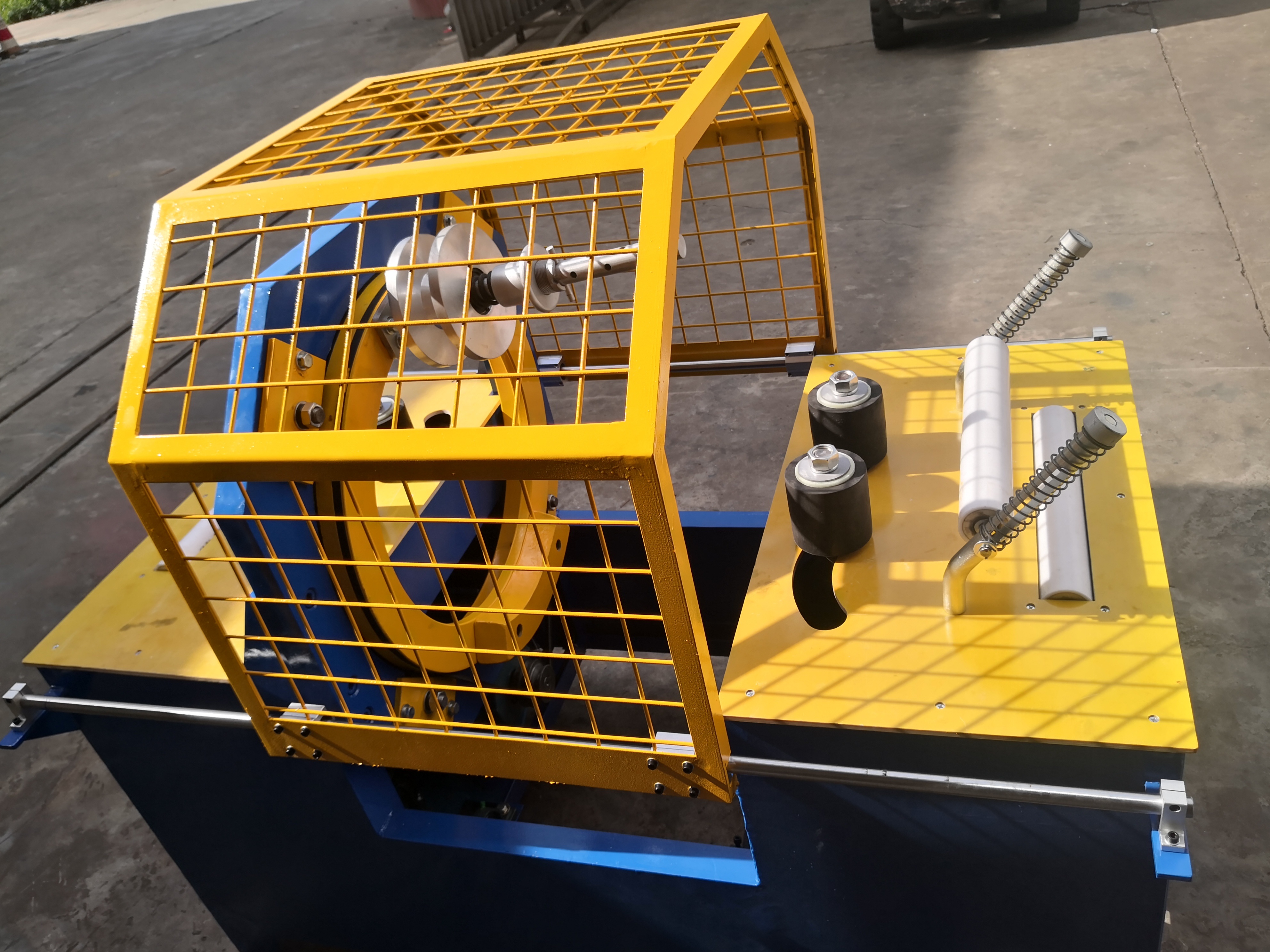
Wrap‑around packaging machines provide comprehensive support for aluminum profile production, with core value concentrated in four key areas: finished‑product protection, production‑cost control, brand‑image enhancement, and safe manufacturing. They are essential auxiliary equipment for modern aluminum profile plants seeking to improve quality and boost efficiency.
At the finished‑product protection level, the equipment applies a tension‑controlled stretch film that forms a tightly adherent, highly sealed protective layer on the surface of aluminum profiles. This layer completely isolates the material from external oxygen, moisture, and dust contamination, thereby preventing oxidation, whitening, and rust at their source and ensuring long‑term performance in demanding applications such as extended warehousing and overseas maritime export. Meanwhile, the multi‑layer stretch film creates a flexible cushioning structure that effectively mitigates hard impacts and friction between profiles and between profiles and the vehicle interior during transport, reducing surface scratches and impact‑related damage by more than 90% and maximizing the preservation of the finished product’s aesthetic quality.
From a cost-control perspective, mechanical packaging offers precise tension‑control capabilities, enabling a 20%–30% reduction in stretch‑film consumption per aluminum profile compared with traditional manual wrapping. Moreover, standardized stretch‑wrap packaging eliminates the need for costly cushioning materials such as foam or bubble wrap, significantly cutting packaging‑material expenses. For an aluminum‑profile manufacturer with an annual output of 10,000 tonnes, this alone can translate into annual savings of several hundred thousand yuan in stretch‑film costs, delivering substantial long-term cost reductions through sustained high‑volume production.
At the brand and product‑quality levels, machine‑standardized wrapping ensures that profile packaging is neat, tight, and uniformly consistent, with a smooth film surface free of wrinkles, bubbles, or looseness. This thoroughly addresses the shortcomings of manual packaging—such as unevenness and inconsistent tension—significantly enhancing the visual appeal and first‑impression quality of products at the point of shipment. For customers in high‑end door and window manufacturing, automotive component supply, and other sectors with stringent requirements for product appearance and quality control, standardized packaging processes serve as a clear testament to a company’s refined production capabilities and rigorous quality‑management standards, effectively boosting market competitiveness and customer satisfaction.
In addition, stretch‑wrap packaging replaces repetitive manual labor, significantly reducing the physical strain on frontline workers and completely eliminating the risk of musculoskeletal injuries and workplace accidents associated with long‑term manual packaging. It also enhances the workshop’s production environment, helping companies achieve standardized, safe, and intelligent assembly‑line operations.
OEM PROCESSING ENQUIRY
If you are interested in our products, please leave your email, we will contact you as soon as possible, thank you!
The use of new technologies and excellent components to present high-performance, highly reliable, energy-saving and long-lasting products to customers has always been the company's quality tenet, providing efficient energy-saving products for aluminum enterprises and the packaging industry, and creating a green life together.
Product classification
Contact Us
86-13928606722
jiafaaluminummachinery@gmail.com
- Sha Tsui Industrial Zone, Jiujiang Town, Nanhai District, Foshan, China